The Micro Markets of Silicon Valley
Real Estate

Real Estate
Why the market can look very different from one neighborhood—or even one street—to the next.
When people ask, “How is the Silicon Valley real estate market?” the most accurate answer is: Which part of Silicon Valley? When I am asked "How is the Los Altos real estate market?" The answer is which part of Los Altos? (insert any of our local towns and cities).
Our market is not one market. It is a collection of highly individual micro markets, each influenced by its own combination of inventory, schools, lot sizes, architecture, commute patterns and buyer demand.
The difference can be striking. Two homes may be located only a few miles apart—and offered at a similar price—yet experience completely different results. One may receive multiple offers within days, while another takes several weeks to sell. Within the same city, one neighborhood may have very limited inventory and strong competition, while another offers buyers more choices and negotiating room.
In Mountain View, for example, neighborhoods such as Waverly Park, Cuesta Park and Springer Trees each attract buyers for different reasons. In Los Altos, demand can shift depending on the school district, lot size, walkability and proximity to the Village. Palo Alto has its own collection of distinct markets, where neighborhood boundaries, architecture and even the location of a particular street can meaningfully affect value.
That is why broad headlines rarely tell the whole story.
What creates a micro market?
A home’s market is shaped by much more than its city and ZIP code:
Change one variable and you can change the buyer pool.
Timing matters, too. A home may enter the market during a week with no direct competition—or at the same time as several similar properties. That can influence buyer urgency, pricing strategy and the final outcome.
Strategy must be local
For sellers, this means pricing a home based on a broad citywide average can be a costly mistake. The right strategy begins with understanding what is happening around that specific home, in that specific price range, at that specific moment.
The first seven days are especially important. Buyers compare a new listing with everything else available to them, and their response provides immediate information. Thoughtful preparation, precise pricing and strong marketing must work together from the beginning.
For buyers, understanding micro markets can reveal opportunities. A neighborhood receiving less attention may offer greater value, while a particularly competitive pocket may require a faster and more strategic approach.
Silicon Valley real estate has always been local—but today, it is increasingly hyperlocal. Knowing the difference between the broader market and the market for one particular home is where experience, local insight and strategy truly matter.
If you’re wondering what today’s market means for your home, I’d be happy to share what I’m seeing in your neighborhood and what I believe buyers would respond to if your home came on the market today.
The links below are interactive. If you are curious about your neighborhood, and neighborhoods in the same city check them out.
Santa Clara County Real Estate Report - August 2026
San Mateo County Real Estate Report - August 2026
Stay up to date on the latest real estate trends.

Explore Cuesta Park in Mountain View, including homes, park amenities, nearby schools, healthcare, shopping, and convenient Silicon Valley access.
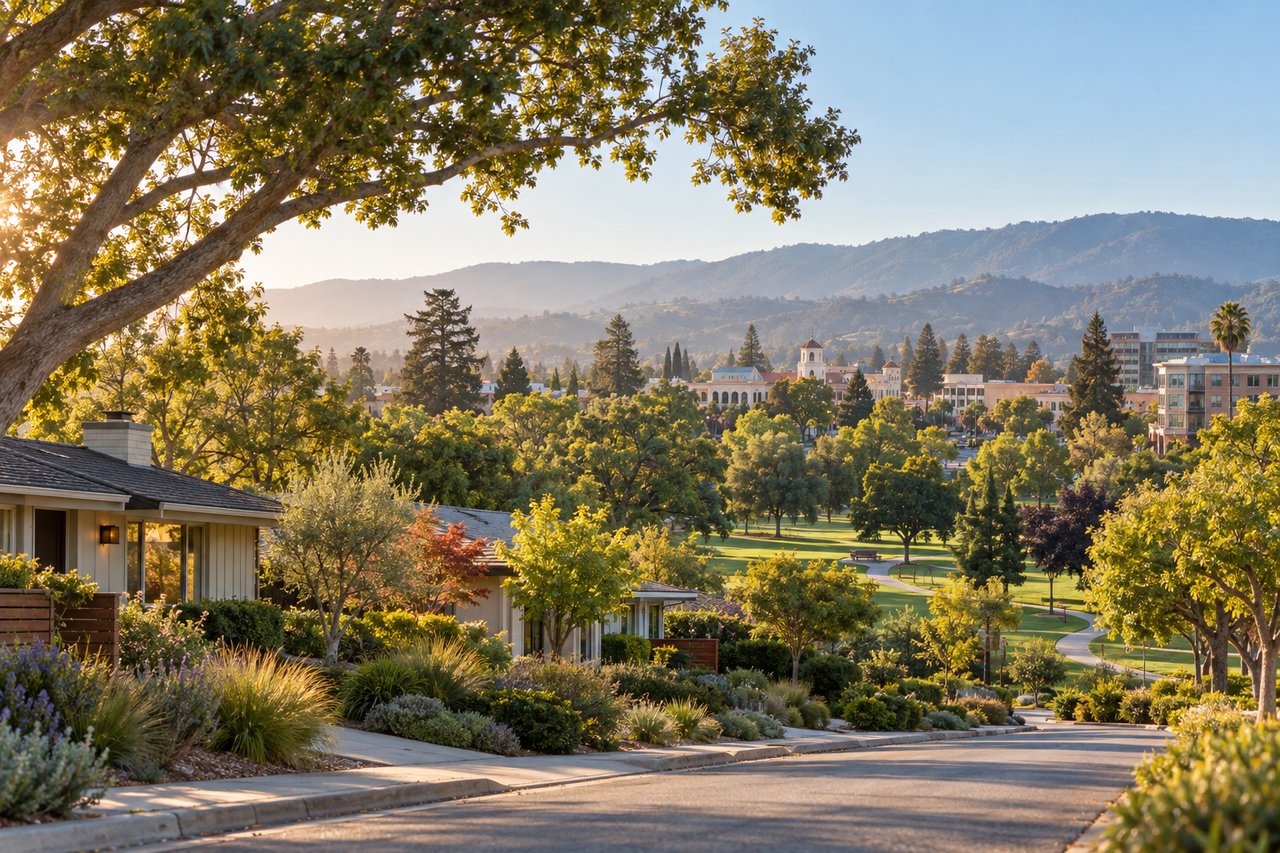
Compare Mountain View neighborhoods, including Downtown, Cuesta Park, Waverly Park, Blossom Valley, Monta Loma and Whisman Station.
Explore the August 2026 real estate market update, including home prices, inventory, mortgage rates, and Silicon Valley trends across three Bay Area counties.
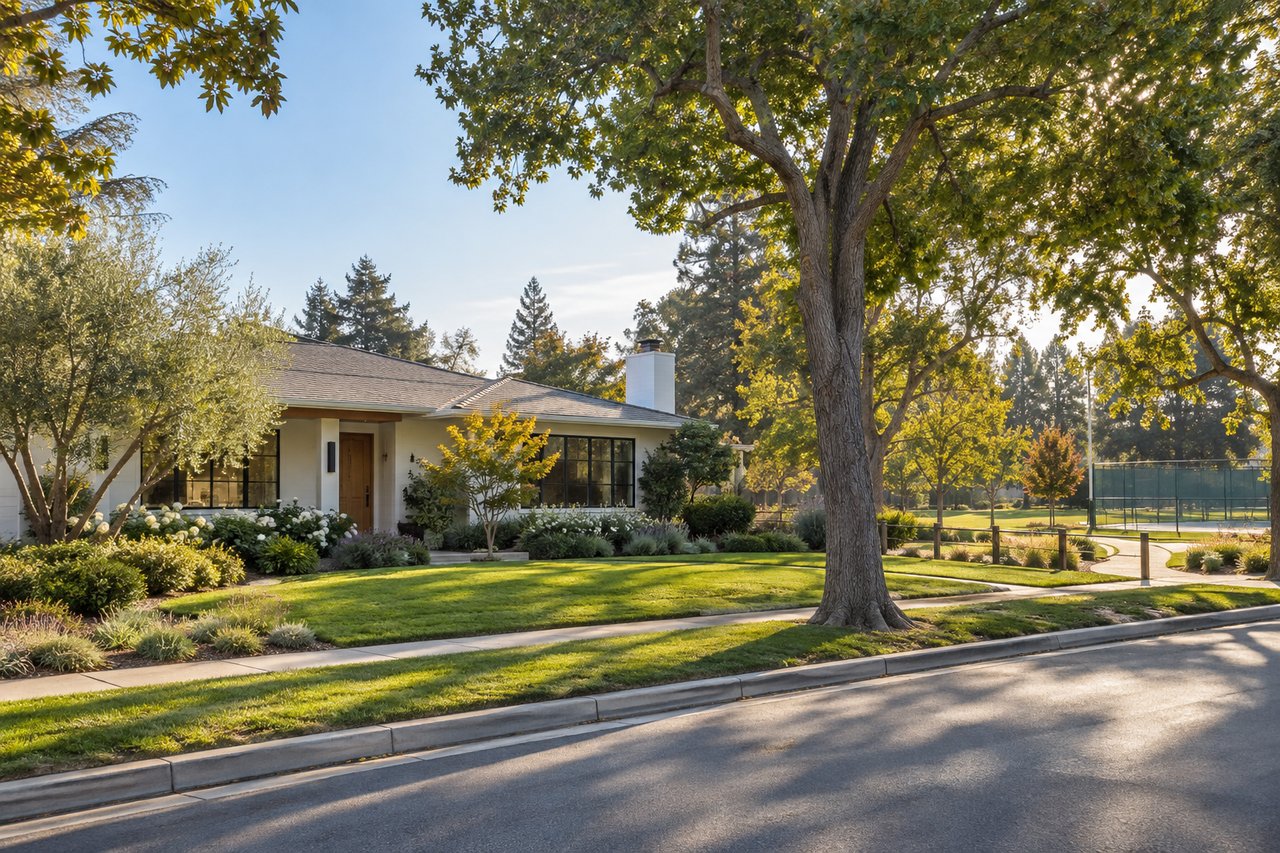
Explore Waverly Park in Mountain View, including its homes, schools, Cooper Park, Cuesta Park, YMCA, hospital and Silicon Valley connections.

Explore equestrian living in Los Altos Hills, from its unique pathway system and horse-friendly heritage to Westwind Community Barn and local real estate.
Discover why Silicon Valley real estate is hyperlocal and how neighborhood inventory, schools, lot size, location, and buyer demand can influence home values.
You’ve got questions and we can’t wait to answer them.